
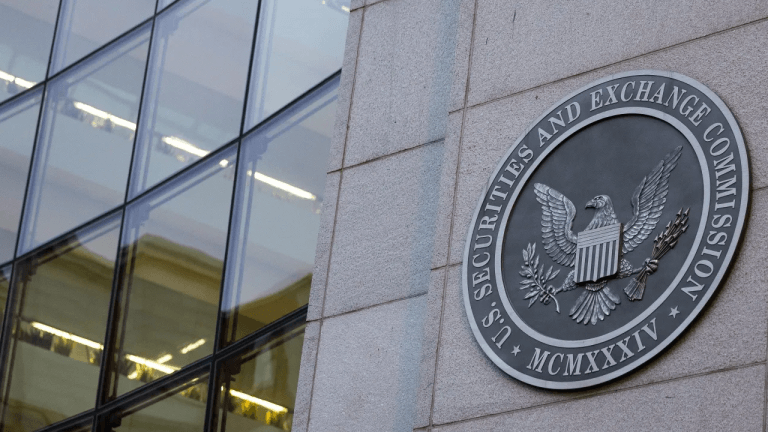
The SEC has granted temporary exemptions allowing onchain trading in tokenised US stocks. But at least two prominent existing products - xStocks and Binance bStocks - may not qualify in their current form.
The SEC’s eligibility test focuses on the rights attached to each token. Under the new regime, tokenised stock holders must receive the same legal rights as owners of the corresponding conventional stock.
A Conditional Route for Onchain Equities
The SEC has temporarily exempted a new category of blockchain-based stock-trading platforms from being treated as exchanges under the Exchange Act.
The order calls them Tokenised Securities Venues, or TSVs. These venues may use automated market makers and liquidity pools to facilitate trading in tokenised US-listed shares among approved participants.
A separate exemption allows qualifying liquidity providers to use their own capital in those pools without being treated as dealers.
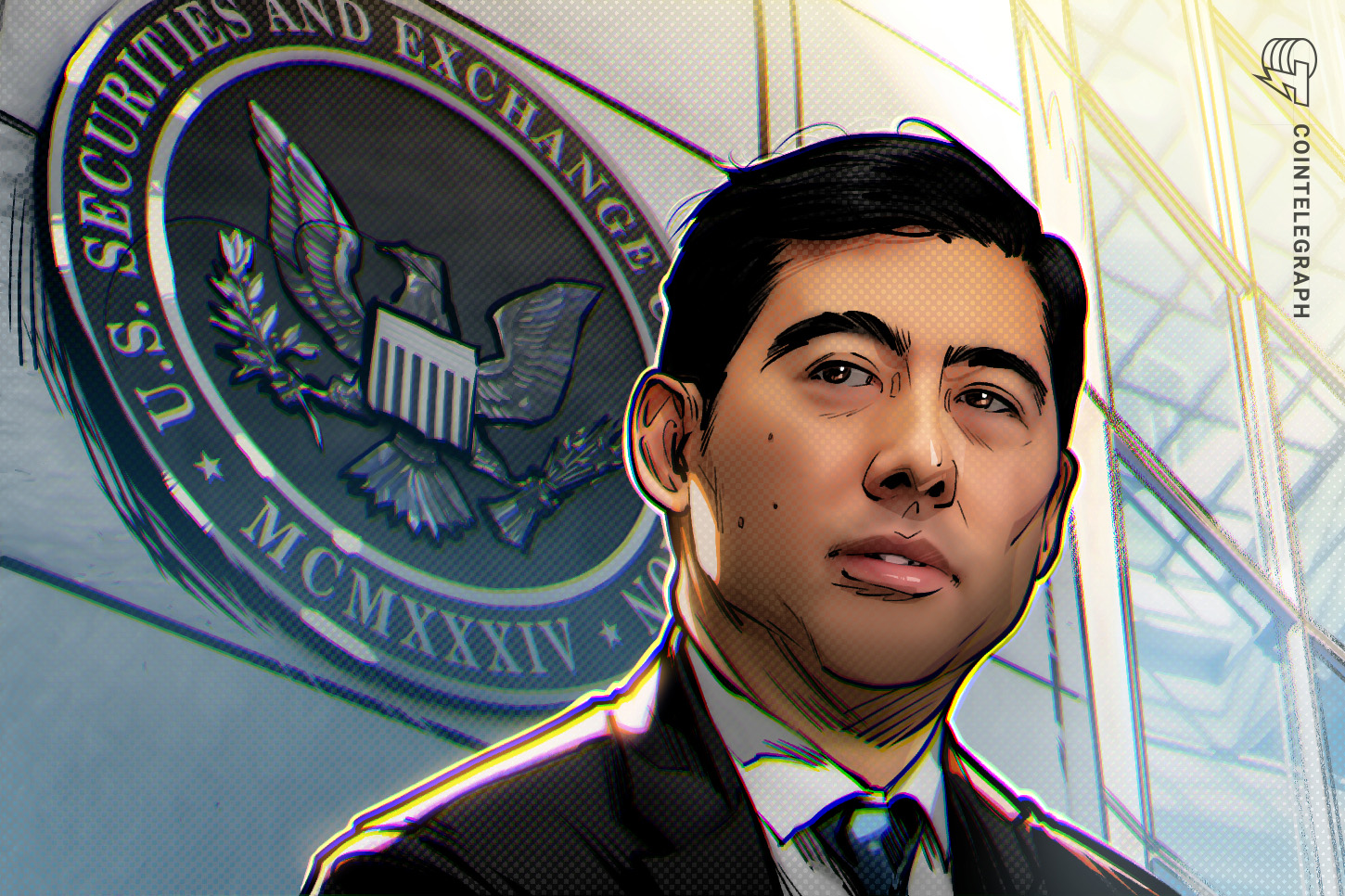
SEC Chairman Paul Atkins described the measure as an interim step that would permit permissioned onchain trading while the regulator considers whether further changes are needed.
The relief is limited to venues trading tokens that meet the SEC’s conditions. Third-party instruments that merely provide synthetic exposure to a stock fall outside the regime.
Eligible tokens must carry the same rights as the corresponding shares, including voting and dividend rights and a claim on residual assets if the company is liquidated.
Existing Products Face Shareholder-Rights Test
The shareholder-rights requirement may leave some existing tokenised-stock products outside the new regime. Two prominent examples are xStocks and Binance bStocks.
According to their documentation, xStocks and Binance bStocks provide economic exposure to underlying shares but do not give token holders direct ownership or full shareholder rights.
Holders receive no voting rights, while dividends are reflected economically through reinvestment or token adjustments rather than paid as a shareholder entitlement.
Their current structures therefore appear unlikely to meet the SEC’s test. Neither product is offered in the United States or to US persons, and the regulator has not rejected either one.
Companies Get 30 Days to Block Third-Party Tokens
Companies will also have a chance to block third-party versions of their shares from trading on a TSV. Before listing such a token, the venue must notify the company and wait at least 30 days.
If the company objects during that period, trading cannot begin. If it does not object, the venue does not need explicit approval to proceed. The framework remains tightly controlled.
Venue operators must be US persons, comply with US sanctions rules and restrict trading to permissioned participants. Their smart contracts must be public and auditable, but using a public blockchain does not make the venue open to everyone.
Platforms must publish details of their operations at least 30 days before launching and cannot provide financing for token purchases. The exemptions expire on 17 September 2031.
This article was written by Tanya Chepkova at www.financemagnates.com.
You can get bonuses upto $100 FREE BONUS when you:
💰 Install these recommended apps:
💲 SocialGood - 100% Crypto Back on Everyday Shopping
💲 xPortal - The DeFi For The Next Billion
💲 CryptoTab Browser - Lightweight, fast, and ready to mine!
💰 Register on these recommended exchanges:
🟡 Binance🟡 Bitfinex🟡 Bitmart🟡 Bittrex🟡 Bitget
🟡 CoinEx🟡 Crypto.com🟡 Gate.io🟡 Huobi🟡 Kucoin.







Comments